Background & Motivation
by Jeff
I've always been passionate about knowledge and craft. I love cooking and woodworking, and just about any other kind of craft. I'm especially interested in coffee and technology. So, I've thought for a long time about how I'd want AI to shape the future and Nizami Coffee is the result. First, I invite you to read my thoughts on the current state of AI as it relates to our social order.
Adoption potential
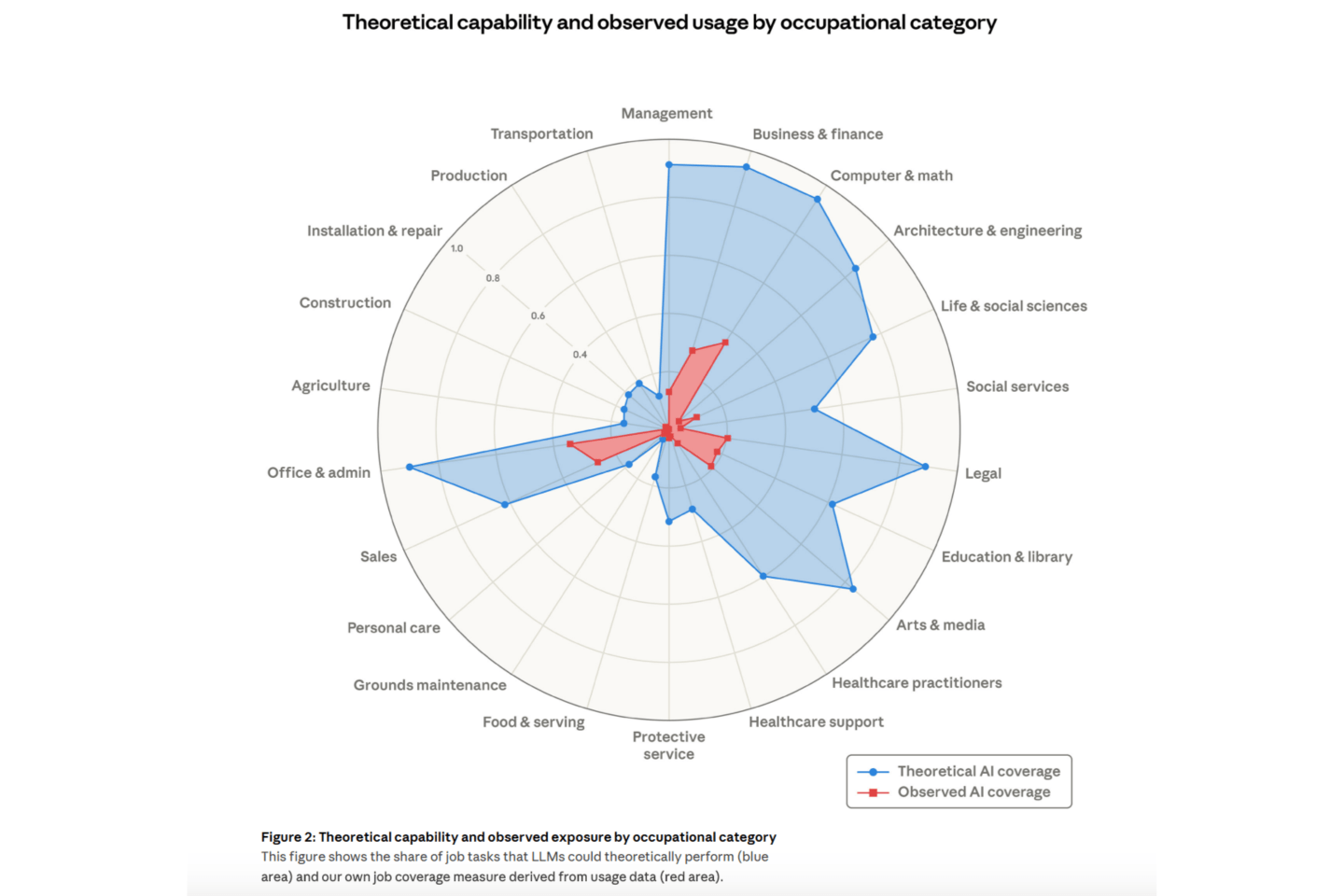
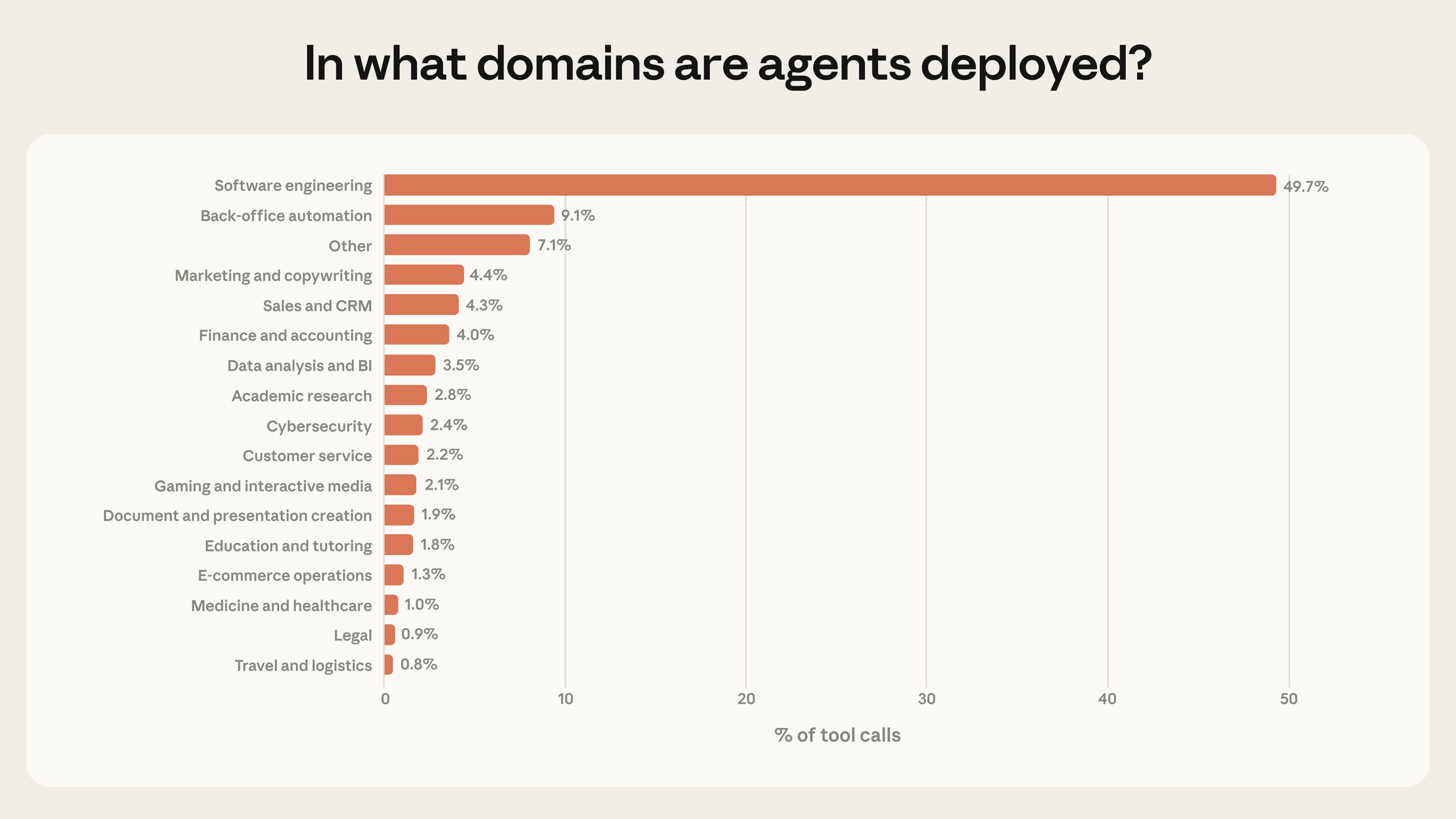
AI has been heavily adopted by the tech sector and I thought it was important to understand why. The reductive reasoning is that LLMs are by definition text generators and that software is just text. However, I have come to conclude that the tooling ecosystem and culture is equally responsible. I think text manipulation is key to programming so tooling and abstractions were created and naturally receptive to easy integration with AI. But it's not just software, there are many fields with high amounts of textual information. So I've thought about why some industries have more adoption and what can be done to actualize adoption.
| Software | Legal | Academia | Food | Construction | |
|---|---|---|---|---|---|
| Text | extremely high: code, specifications, docs | high: legal documents | high: research papers | high: recipes, practices, customer feedback | low: manual labor |
| Tools | streamlined text manipulation | emerging AI tools | emerging AI tools | minimal | minimal |
| Mindset | lots of open source | mix of public and confidential | open knowledge sharing | marketing secret sauce | safety |
| AI Adoption | highest | high | medium | negligible | none |
Not surprisingly, the legal space has also experienced a lot of AI adoption. Albeit, I think legal AI tools are still behind the complexity of software ones because the ecosystem was not as well equipped before extensive interest towards developing legal AI tooling.
I've also thought about the nature of text. Looking at the history of text, some of the oldest pieces of writing ever found are: record logs, legal codes, math algorithms, and codified recipes. Therefore, at it's inception text had first class support for software, law, academics, and food and I think it's a great shame that there has not been significant interest in developing AI for food.
While I think it's clear that the food industry can benefit from AI, what's not clear is if it's desired. Read more on the business plan.
Social needs
How I see AI being used in the food industry is in enabling more personal, better run businesses and also in helping people start businesses. The great enemy that we can unite on are chains. In a lot of ways chains fill the same purpose that AI does by providing solid baselines and a recognizable name to reduce risk for owners and customers alike. The tradeoff is a bland, manufactured experience. Chains are not necessary when owners have proper knowledge. There are more Chinese restaurants than McDonalds by quite a large margin. Most independent Mexican, Thai, Indian, etc. restaurants have high standards without the practices and pipelines that feed chain restaurants. So I think there is both a market for decentralization of the food industry and proof that it works among ethnic groups that retain knowledge and know how.
AI needs
Also talk about greater adoption in the software industry and potential in the legal, research, medical, and food domains. Note chinese adoption in drafting legislation. motivations for coding models as opposed to less official finetuning of other domains.
Misuse
As I've stated, I am doubtful that AI can fully eclipse human intelligence. While living in SF, I there was a hype cycle around AI replacements for roles defined by social convenience: SWE, BDR, etc. (many still believe this)
I think that developing AI for this use case is both unethical and also constrains AI into an intelligence management system that was meant for humans so it does not reach it's full potential.
AI applications with the most success create a syncretic harmony between human intelligence and AI. Examples like image generation and editting, video creation, code generation. In each case it's not about replacing human creativity or roles but instead enabling us to wear many hats by lowering the barrier to entry and offloading routine labor.
As such I'm unaware of any effort to create AI movies because it probably would fail hard.
So my proposition is that if you want to start a coffee business today, you don't need a legal expert, a design expert, roasting experience, mixology, or any other consulting. Instead you can fill all of those roles with the help of AI. Or if you simply want to experience better coffee, save money, and focus on self-reliance that works as well. Nizami Coffee is agnostic to use case, it's about coffee knowledge.
Food industry
Since the industrial revolution, the food industry has centralized into. However, this was not always the case. Notably, we can look at cultures that have kept a more distributed approach to food such as Chinese food. It's interesting that there are more Chinese restaurants in the United States than McDonlads. And instead of knowledge being centralized in a Chain, the knowledge is deeply ingrained in culture.
Monoliths/chains
Potential
Compared to the software industry
Coffee
Text editting
Syntax + adoption
Tooling
Ecosystem
Model specialization, Hub of sorts and finetuning + data usage
Also need to tie this back to discussion of AI - human role constraints.
Future
Broadly
Expertise
Not the death of expertise, conversely if we continue our analysis of programming as a high AI adoption domain, it's been notable that most productivity gains have actually gone to senior developers. Although initially many experts predicted the end of 10x engineers and a closing of the gap between high and low productivity engineers, it seems that the opposite is now verified through research and widespread adoption.
Direction
AI follows directions.
Outcomes
Although it helps to have expertise, it is also noted that AI can help people learn very quickly. And it can also fill in the gaps where you may be lacking with a proper blackbox understanding of what your gaps are. Remember that AI is a generalist.